When you visit the dentist, you trust that everything is safe. But have you ever wondered about the difference between “clean” and “sterile” in dental care? Understanding this difference is important for your dental health and safety. In this blog, we will explain what these terms mean, why they matter, and how dental clinics protect you from infection.
What Does “Clean” Mean in Dental Care?
In dental care, “clean” means that surfaces and tools are free from dirt, dust, and most germs. However, cleaning does not remove all types of bacteria or viruses. For example, dental staff clean chairs, counters, and some equipment with soap and water or disinfectants. This process helps lower the risk of infection, but it does not kill every germ.
For most surfaces, cleaning is enough to keep you safe. Yet, for tools that touch your mouth, more is needed.
What Does “Sterile” Mean in Dental Care?
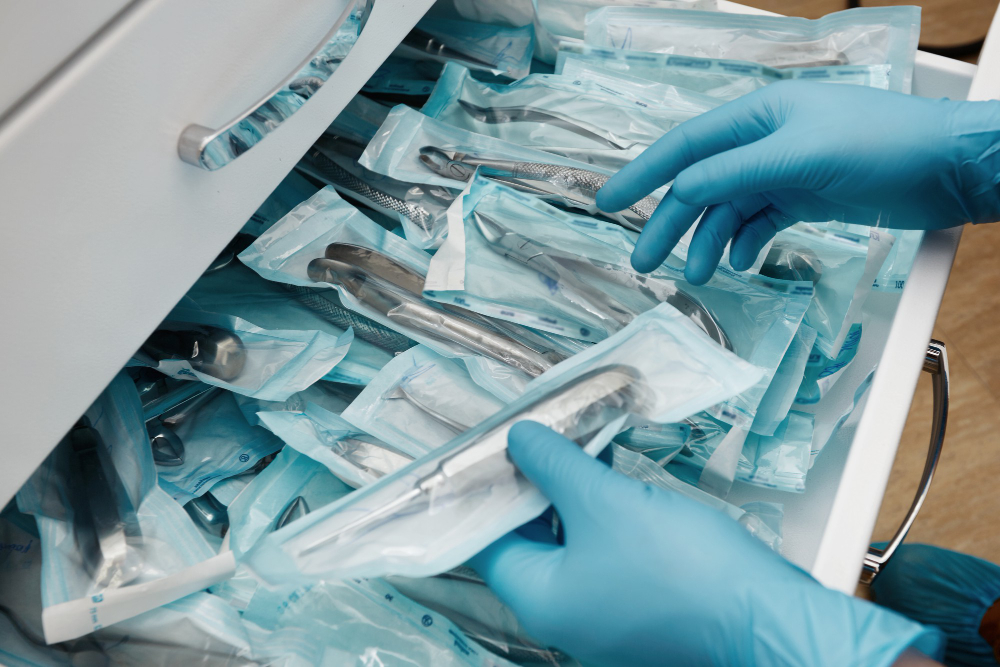
“Sterile” means that something is completely free from all living germs, including bacteria, viruses, and spores. Dental tools that go inside your mouth must be sterile. To achieve this, clinics use special machines called autoclaves. These machines use high heat and pressure to kill all germs.
Because of this, sterile tools help prevent infections during dental treatments.
Key Differences Between Clean and Sterile Techniques
Although both cleaning and sterilizing help keep you safe, they are not the same. Here are the main differences:
Therefore, both steps are important, but sterilization offers a higher level of safety.
Why the Difference Matters for Your Dental Health
Understanding the difference between clean and sterile is key to dental safety. If tools are only cleaned and not sterilized, harmful germs may remain. These germs can cause infections, such as hepatitis or other diseases. According to the CDC, proper sterilization is vital to prevent the spread of infection in dental clinics.
Moreover, using sterile tools protects both patients and dental staff. It lowers the risk of cross-contamination and keeps everyone safe during dental procedures.
How Dental Clinics Maintain Clean and Sterile Environments
Dental clinics follow strict rules to keep everything safe. For example, they:
In addition, clinics train staff on infection control and follow guidelines from organizations like the CDC and WHO.
Tips for Patients: What to Look for in a Safe Dental Practice
As a patient, you can help protect yourself by being aware. Here are some tips:
By staying informed, you can choose a dental practice that puts your safety first.
Conclusion
In summary, knowing the difference between clean and sterile in dental care helps you understand how clinics keep you safe. Clean surfaces lower the risk of infection, but sterile tools are essential for your protection. Always choose a dental practice that follows strict infection control steps. Consult Dr. Samba Shiva Rao to ensure you receive the safest and most effective dental care.