
Introduction
Missing teeth can affect your smile and your health. Dental implants are a permanent solution for missing teeth. They help restore your confidence and improve your ability to eat and speak. Many people choose dental implants because they look and feel like natural teeth. In this blog, you will learn why dental implants are important and how they can change your life.
Symptoms and Impact of Missing Teeth
When you lose a tooth, it can cause many problems. For example, you may find it hard to chew food. Sometimes, your speech may change. Missing teeth can also make you feel self-conscious. Over time, the jawbone under the missing tooth may shrink. This can change the shape of your face. In addition, nearby teeth may shift into the empty space. As a result, your bite may become uneven.
What Are Dental Implants?
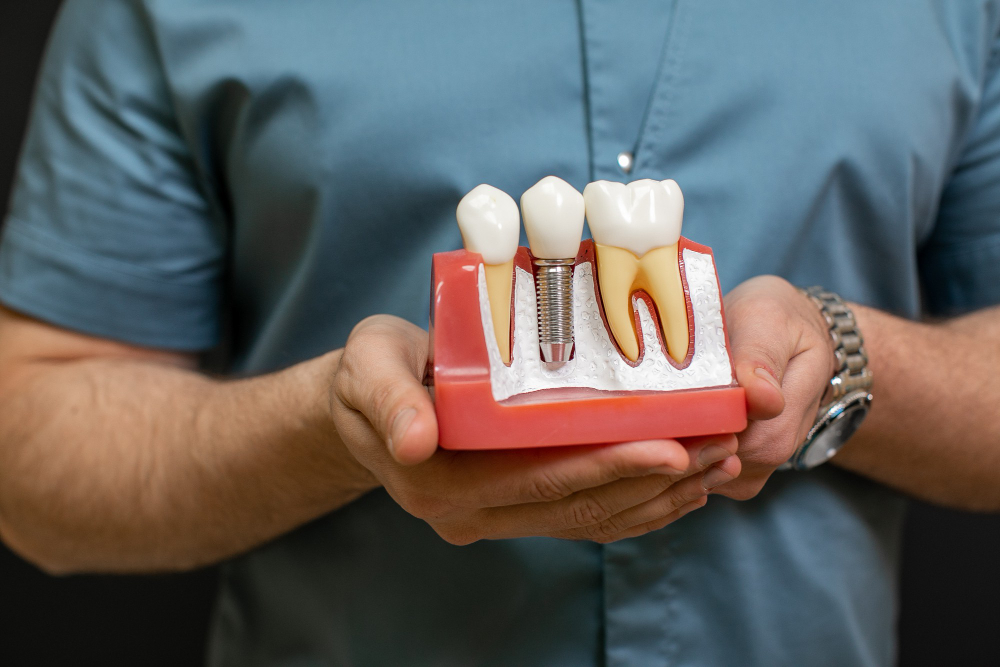
Dental implants are small posts made of titanium. Dentists place them in your jawbone to act as new tooth roots. After healing, a crown is attached to the implant. This crown looks and works like a real tooth. Because dental implants are strong, they can last for many years. In fact, they are often called a permanent tooth replacement.
Causes of Tooth Loss
There are several reasons why people lose teeth. Sometimes, it happens because of tooth decay. Other times, gum disease is the cause. Accidents or injuries can also lead to tooth loss. In some cases, teeth are lost due to aging or health problems. Understanding the cause can help prevent future tooth loss.
How Dental Implants Work
First, the dentist checks your mouth and jawbone. If you are a good candidate, the dentist places the implant into your jaw. Over time, the bone grows around the implant. This process is called osseointegration. Once the implant is secure, the dentist attaches a connector and then a crown. The result is a strong, natural-looking tooth.
Benefits of Dental Implants
Dental implants offer many advantages over other options. For instance, they do not slip or move like dentures. Also, they help keep your jawbone healthy. Because they look like real teeth, you can smile with confidence. Here are some key benefits of dental implants:
The Dental Implant Procedure
Getting dental implants involves several steps. Each step is important for success. Here is what you can expect:
Each step is done with care to ensure the best results. The dental implant procedure is safe and effective when done by a skilled dentist.
Who Is a Good Candidate?
Most adults with missing teeth can get dental implants. However, some people may need extra care. You may be a good candidate if you:
Even if you have some health issues, talk to your dentist. Sometimes, bone grafts or other treatments can help you qualify for dental implants.
Risks and Considerations
Like any surgery, dental implants have some risks. For example, there may be swelling, pain, or infection. Rarely, the implant may not bond with the bone. Smoking and some health problems can increase these risks. However, most people have no serious problems. Your dentist will explain all risks before the procedure.
Aftercare and Recovery Tips
Proper care helps your dental implants last longer. After surgery, follow your dentist’s advice. Here are some helpful tips:
With good care, dental implants can last many years or even a lifetime.
Prevention of Tooth Loss
Preventing tooth loss is always best. You can protect your teeth by:
Early care can help you avoid the need for dental implants in the future.
Frequently Asked Questions
Conclusion
Dental implants are a safe and permanent solution for missing teeth. They can restore your smile and improve your quality of life. If you are thinking about dental implants, talk to a qualified dentist Dr Samba Shiva Rao. They can help you decide if dental implants are right for you.