
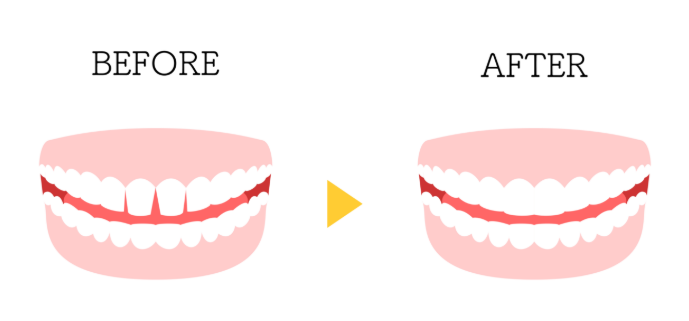
What Is Dental Bonding?
Dental bonding for chipped and uneven teeth is a simple way to fix minor tooth problems. In this treatment, a dentist uses a tooth-colored resin. This resin is shaped and hardened with a special light. As a result, the material bonds to your tooth and improves its look. Many people choose cosmetic dental bonding because it is quick and does not require removing much tooth enamel. According to the American Dental Association, bonding is safe and effective for many patients.
Who Needs Dental Bonding for Chipped and Uneven Teeth?
Anyone with small chips, cracks, or uneven teeth may benefit from dental bonding. For example, if you have a chipped tooth from biting hard food, bonding can help. Sometimes, people have uneven teeth due to grinding or natural growth. In these cases, bonding for uneven teeth can make your smile look even. Dentists often suggest bonding if you:
However, not everyone is a candidate. Your dentist will check your teeth and gums before suggesting this treatment.
Step-by-Step Dental Bonding Procedure
First, your dentist will choose a resin color that matches your teeth. Next, they will roughen the tooth’s surface and apply a special liquid. This helps the resin stick better. Then, the dentist places the resin on your tooth and shapes it. After that, a blue light hardens the material. Finally, the dentist trims and polishes the bonded tooth for a smooth finish. Most bonding procedures take about 30 to 60 minutes per tooth. In many cases, you do not need anesthesia unless the bonding is used to fill a cavity.
Key Benefits of Dental Bonding
Dental bonding offers many advantages for people looking to repair chipped or uneven teeth. For instance, this treatment is:
Because bonding is so simple, many people choose it to improve their smile without surgery.
Aftercare and Maintenance Tips
After dental bonding, you can eat and drink as usual. However, there are some tips to keep your bonded teeth looking good. For example, brush your teeth twice a day and floss daily. Also, avoid biting hard foods or objects, such as ice or pens. In addition, limit drinks that can stain, like coffee, tea, or red wine. Regular dental check-ups help your dentist spot any issues early. If you grind your teeth at night, ask your dentist about a mouthguard. With proper care, bonding can last several years.
Potential Risks and Considerations
While dental bonding is safe, there are a few things to keep in mind. For instance, the resin is not as strong as natural teeth or crowns. This means it can chip or break if you bite hard objects. Also, bonded teeth may stain more easily than natural teeth. However, your dentist can repair or touch up the bonding if needed. If you notice any sharp edges or changes in your bonded tooth, contact your dentist right away.
Prevention: How to Avoid Chipped and Uneven Teeth
Although dental bonding can repair chipped and uneven teeth, it is best to prevent damage in the first place. To help protect your teeth, try these tips:
By following these steps, you can lower your risk of needing repair for chipped or uneven teeth in the future.
Conclusion
If you have chipped or uneven teeth, dental bonding may be right for you. Schedule a consultation with Samba shiva rao to discuss your options and get a healthy, confident smile.