
What is an Apicoectomy?
An apicoectomy is a minor dental surgery. Dentists also call it root end surgery. During this procedure, a dentist removes the tip of a tooth’s root. The main goal is to treat infection or inflammation that does not heal after a root canal. Many people worry about dental surgery, but an apicoectomy can save your tooth. According to the American Dental Association, this treatment is safe and effective.
Why is an Apicoectomy Needed?
Sometimes, a root canal does not fully heal an infected tooth. In these cases, bacteria may stay at the root tip. As a result, pain or swelling can return. An apicoectomy helps remove the infected tissue and the root tip. This way, your dentist can stop the infection and save your tooth. Often, this surgery is the last step before removing a tooth.
Symptoms Indicating You Might Need an Apicoectomy
Not everyone needs an apicoectomy. However, you may need one if you notice these signs:
If you have any of these symptoms, talk to your dentist. Early action can prevent more serious problems.
How is an Apicoectomy Performed? (Diagnosis and Procedure)
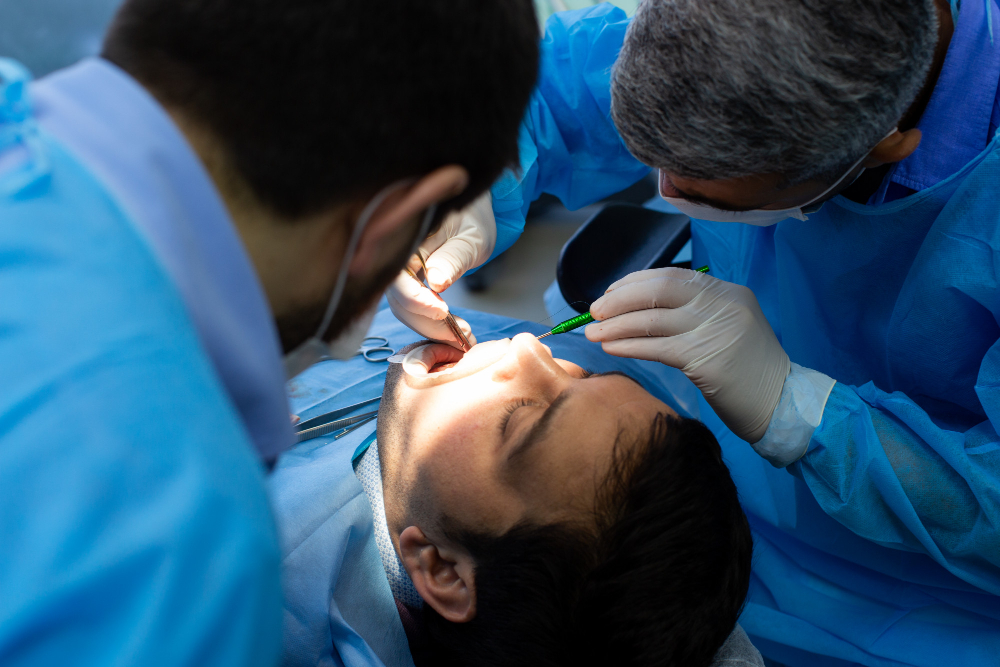
First, your dentist will examine your tooth. They may take X-rays to see the root and surrounding bone. If they find infection at the root tip, they may suggest an apicoectomy. During the procedure, your dentist will numb the area. Next, they make a small cut in the gum near the tooth. Then, they remove the root tip and any infected tissue. After that, they clean the area and seal the end of the root. Finally, they close the gum with stitches. The whole apicoectomy procedure usually takes less than an hour.
Recovery and Aftercare Tips
Most people recover quickly after an apicoectomy. However, you may have mild swelling or discomfort for a few days. To help with healing, follow these tips:
If you notice heavy bleeding, severe pain, or signs of infection, contact your dentist right away. Good aftercare helps ensure a smooth apicoectomy recovery.
Risks and Potential Complications
Like any surgery, an apicoectomy has some risks. However, most people have no serious problems. Possible risks include:
Your dentist will explain these risks before the procedure. With proper care, most people heal well after root end surgery.
Prevention and Oral Health Guidance
Although an apicoectomy can save a tooth, prevention is best. To lower your risk of dental infections, follow these steps:
Good oral hygiene, regular dental check-ups, and timely treatment of dental infections can help reduce the need for procedures like root end surgery in the future.
In summary, an apicoectomy is an effective procedure to treat persistent tooth infections and protect your oral health. Consult Dr. Samba Shiva Rao for personalized advice and expert guidance regarding apicoectomy, recovery, and treatment options.