
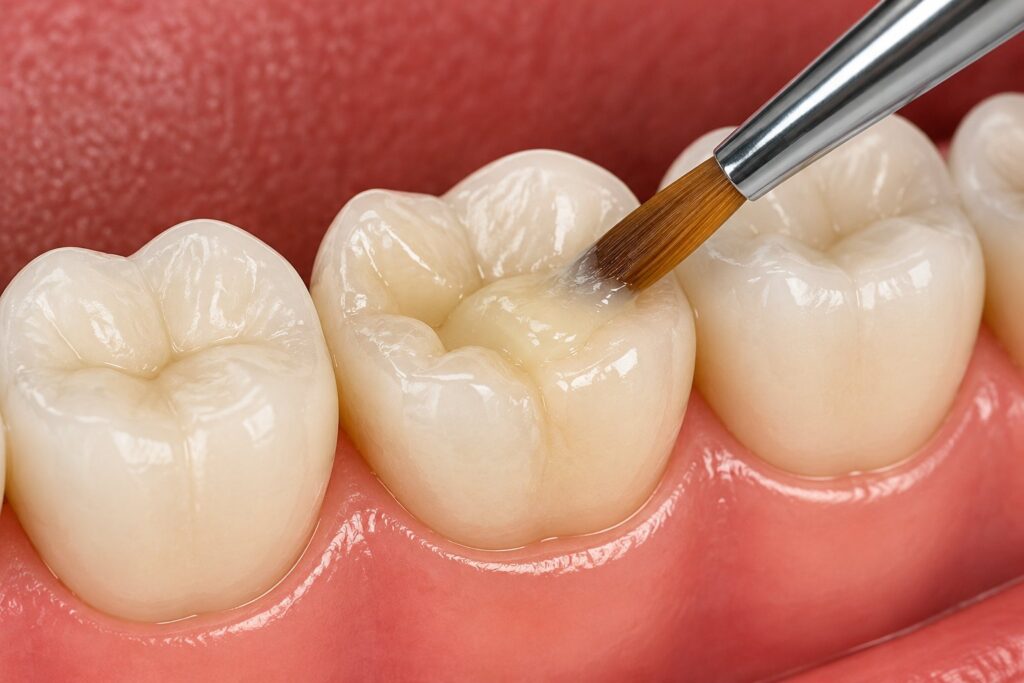
What Are Composite Restorations?
Composite restorations are tooth-colored fillings used to repair decayed, chipped, or broken teeth. Dentists use a special resin material that matches your natural tooth color. Because of this, composite dental fillings blend in well with your smile. Unlike metal fillings, these restorations are less noticeable. In fact, many people prefer them for front teeth. Composite restorations are also called tooth-colored restorations. They are a popular choice in modern dentistry.
Benefits of Composite Restorations
There are many reasons why patients and dentists choose composite restorations. For example, they offer both cosmetic and health benefits. Here are some key advantages:
Because of these benefits, composite restorations are a top choice for many dental needs.
Step-by-Step Procedure
Knowing what to expect can help you feel at ease. Here is a simple overview of the composite restoration procedure:
Usually, this process takes less than an hour. However, larger fillings may take a bit longer.
Aftercare and Maintenance Tips
Proper care helps your composite restorations last longer. Although these fillings are strong, they still need gentle care. Here are some helpful aftercare tips:
With good dental composite aftercare, your fillings can last many years.
Common Questions and Myths
Many people have questions about composite restorations. Let’s clear up some common myths and concerns:
Because of these facts, composite dental fillings are a trusted choice for many patients.
Risks and Limitations
Although composite restorations are safe, there are some risks and limits. For example, they may not last as long as metal fillings in large cavities. Also, they can chip or wear down over time, especially if you grind your teeth. Sometimes, you may feel slight sensitivity after the procedure, but this usually fades. However, if pain or discomfort lasts, contact your dentist. It is important to know these points before choosing a filling type.
Prevention and Oral Hygiene Guidance
Good oral hygiene helps prevent the need for fillings. Here are some simple steps to keep your teeth healthy:
Because prevention is key, these habits can help you avoid future dental problems.
Conclusion
Composite restorations offer a natural look and strong repair for damaged teeth. They are safe, effective, and blend well with your smile. However, proper care and regular dental visits are important for long-lasting results. Consult Dr. Samba Shiva Rao to find out if composite restorations are right for you.