
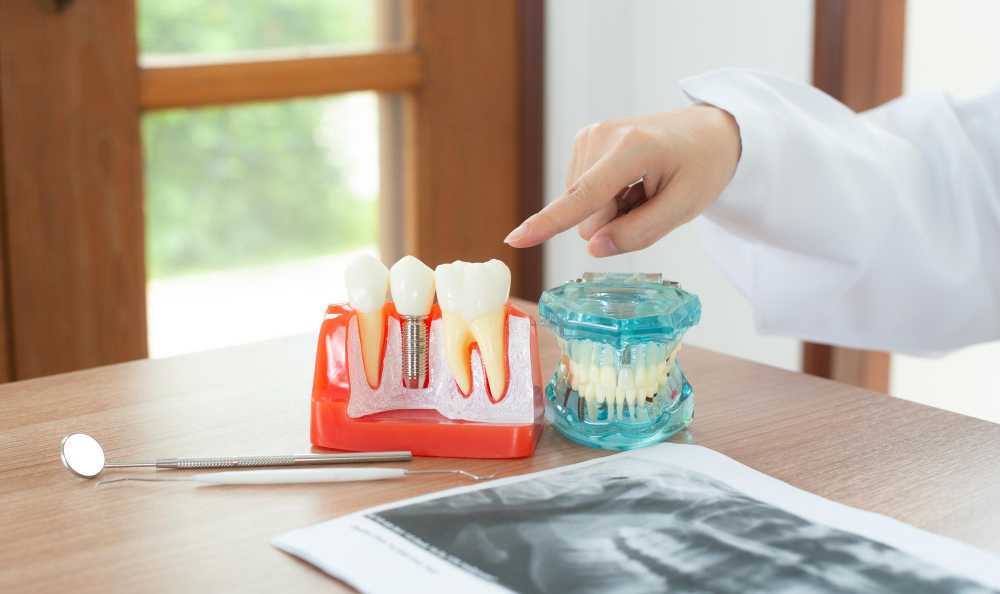
What Is Dental Implant Aftercare?
Dental implant aftercare is the process of caring for your mouth after getting a dental implant. This care starts right after surgery and continues for years. Because implants act like natural teeth, good aftercare helps them last longer. For instance, following the right steps can prevent problems and support healing. Many people search for how to care for dental implants, and these tips are based on advice from dental experts and organizations like the CDC.
Why Is Aftercare Important for Dental Implants?
Proper aftercare is crucial for dental implants. Without it, you may face infections or implant failure. In fact, studies show that good care lowers the risk of problems. When you follow dental implant recovery tips, you help your mouth heal and keep your implant strong. Additionally, aftercare protects your gums and bone. As a result, you can enjoy your new smile for many years.
Immediate Aftercare: First 24–48 Hours
Right after surgery, your mouth needs special care. During the first two days, you should:
Because bleeding can happen, bite on gauze if needed. However, if bleeding does not stop, contact your dentist right away.
Daily Oral Hygiene Tips for Implant Longevity
Good daily care keeps your implant healthy. For best practices for dental implant maintenance, try these steps:
Because bacteria can cause infections, keeping your mouth clean is essential. Also, avoid using toothpicks or sharp objects near the implant.
Foods to Eat and Avoid After Dental Implant Surgery
After surgery, your food choices matter. For a smooth recovery, eat soft foods such as:
However, avoid foods that are hard, sticky, or crunchy. For example, skip nuts, chips, and chewy candy. Because these foods can harm your implant, stick to soft options until your dentist says it is safe to eat normally again.
Warning Signs: When to Contact Your Dentist
Sometimes, problems can develop after implant surgery. Watch for these warning signs:
If you notice any of these symptoms, contact your dentist right away. Early action can prevent serious issues and protect your implant.
Long-Term Maintenance and Professional Check-Ups
Even after healing, long-term care is key for dental implant success. For example, you should:
Because regular visits help spot problems early, you can keep your implant healthy for many years. By following these dental implant aftercare tips, you support both your implant and your overall oral health.
Conclusion
If you have questions about dental implant care or need support, book a consultation with Dr. Samba shiva rao. Our clinic team is here to help you keep your smile healthy and strong.